
The 3D Printing
Materials Guide.
Match the material to the job: aesthetic models favour PLA and PETG, functional durability demands ABS and nylon, flexibility needs TPU, detail calls for resin — and the UAE sun belongs to ASA. Every guide below ends with an "order in this material" button.
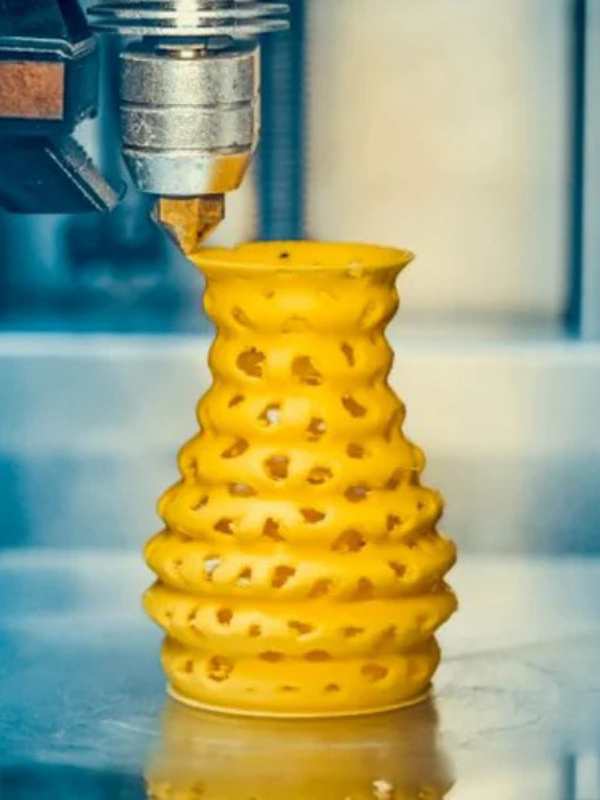
PLA
Biodegradable, easy-printing and glossy — the default for prototypes, models and decorative work.
Material guide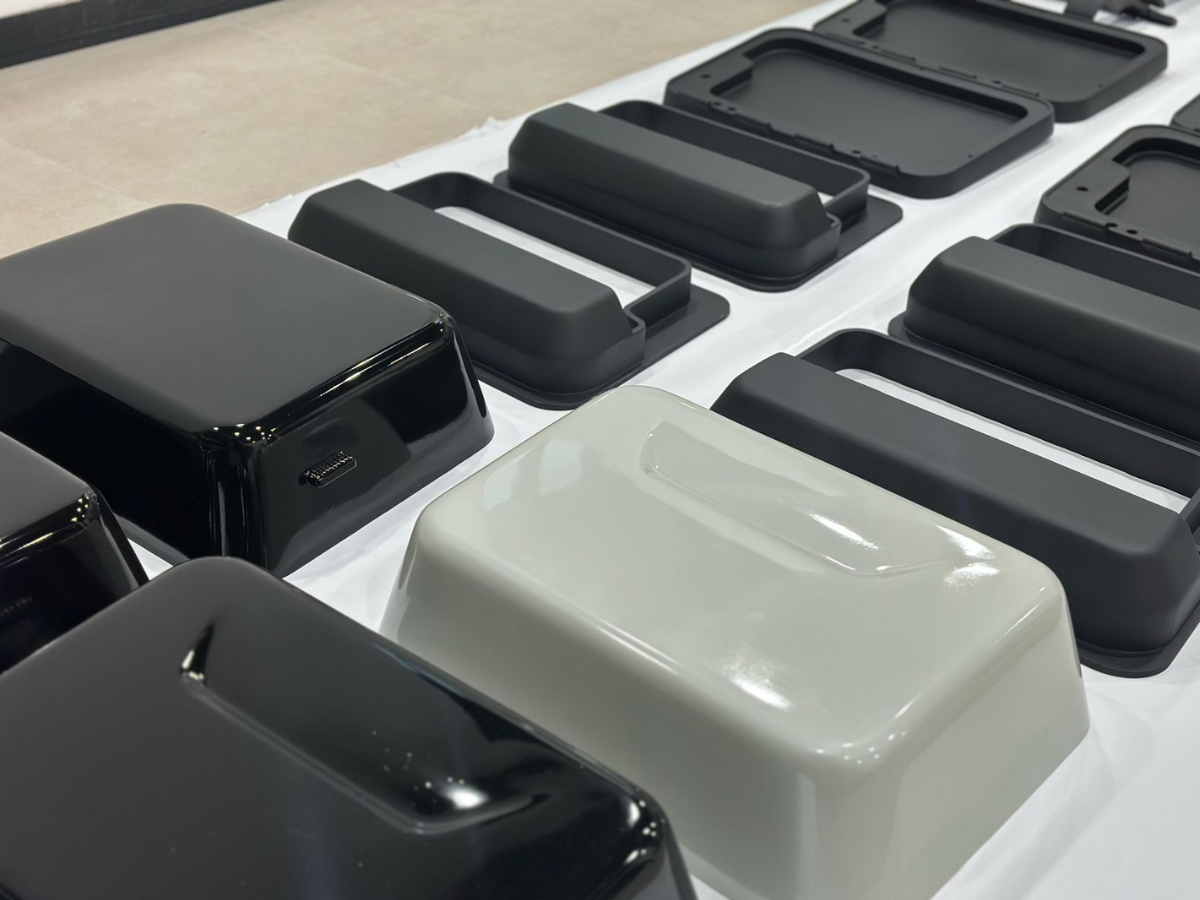
ABS
Industrial-grade impact resistance and heat tolerance for durable functional and automotive parts.
Material guide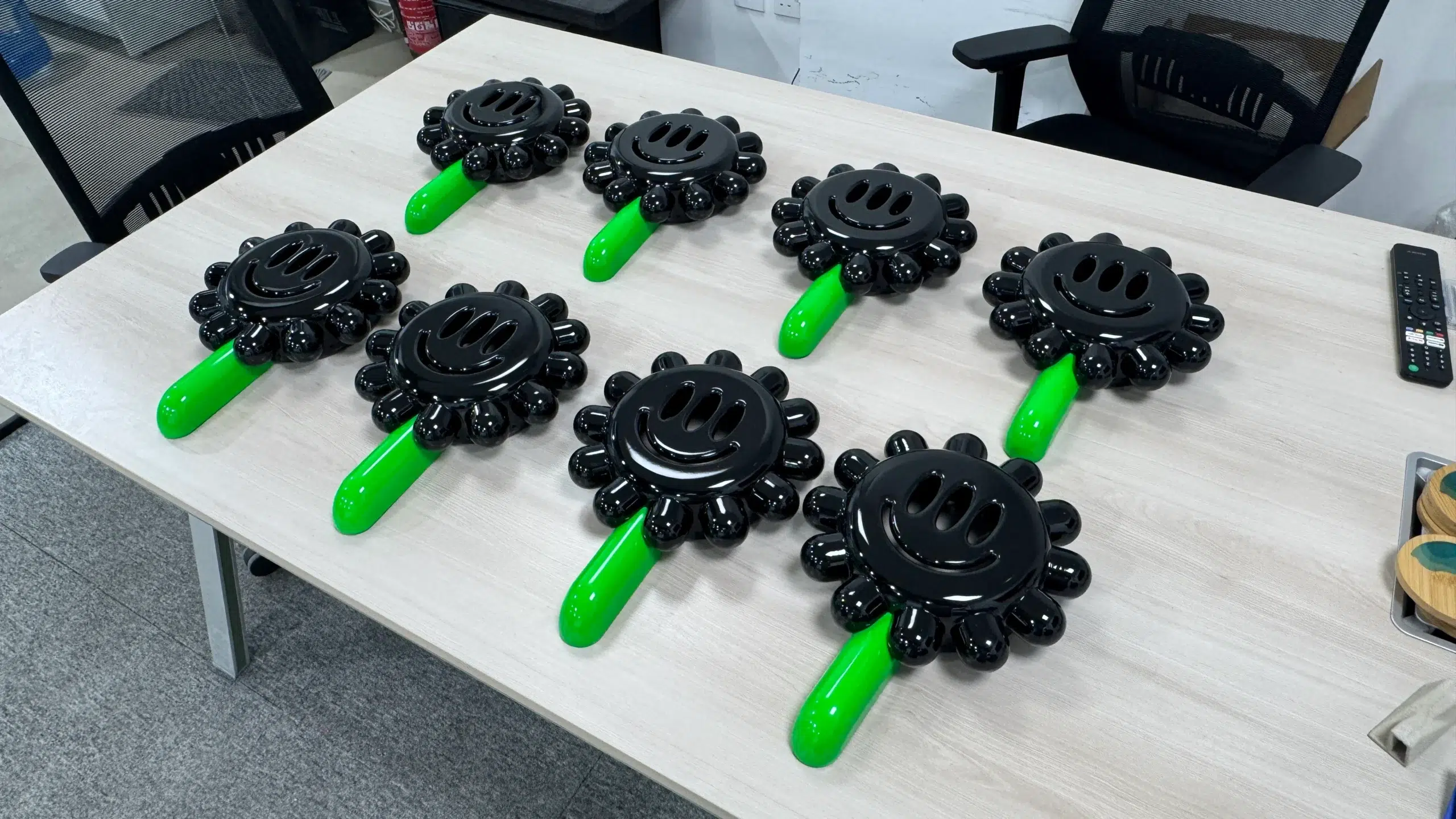
PETG
The best of PLA and ABS combined — strong, minimal warping, good chemical resistance.
Material guide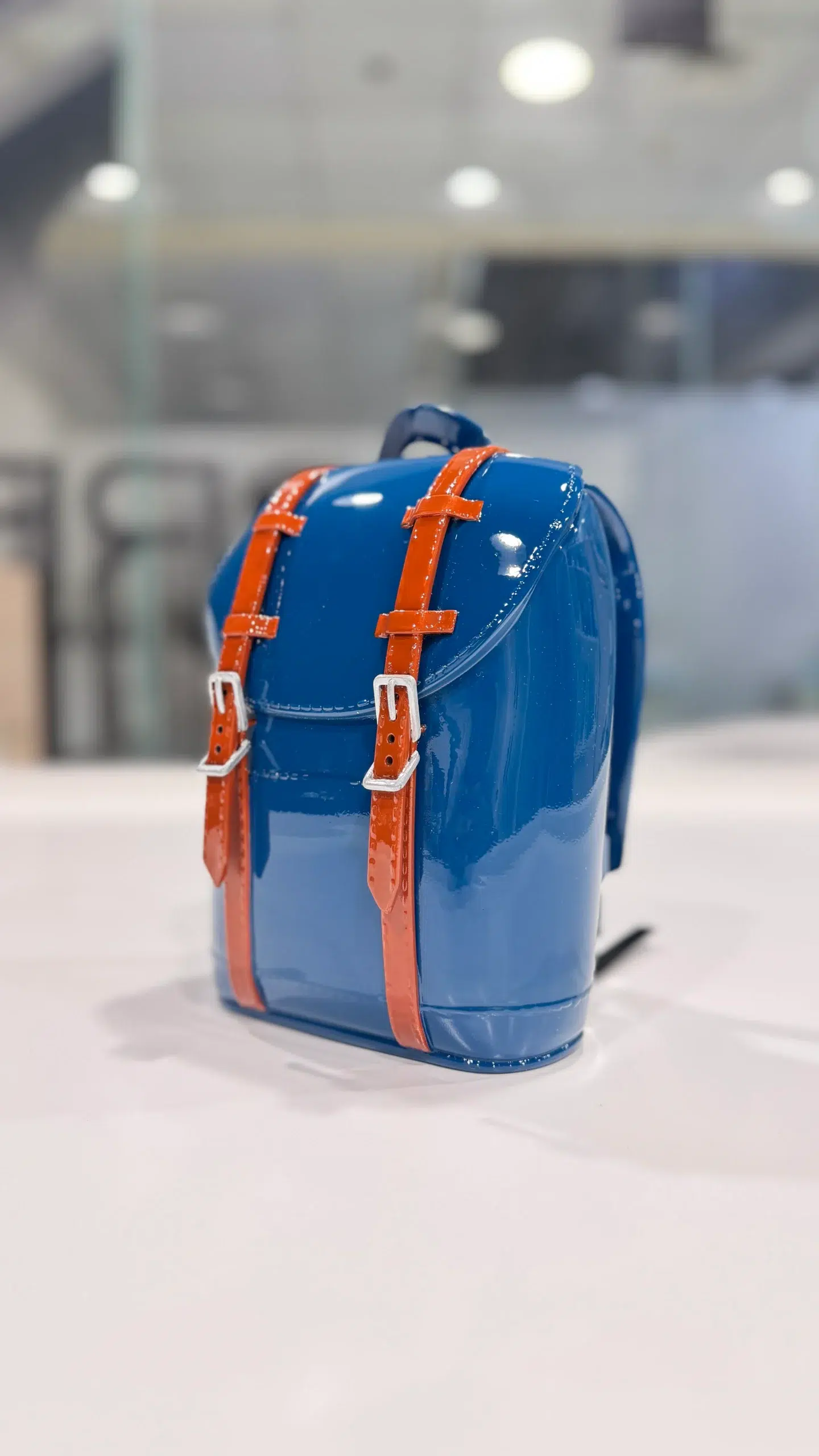
TPU (Flexible)
Elastic filament for gaskets, grips, phone cases and protective gear.
Material guide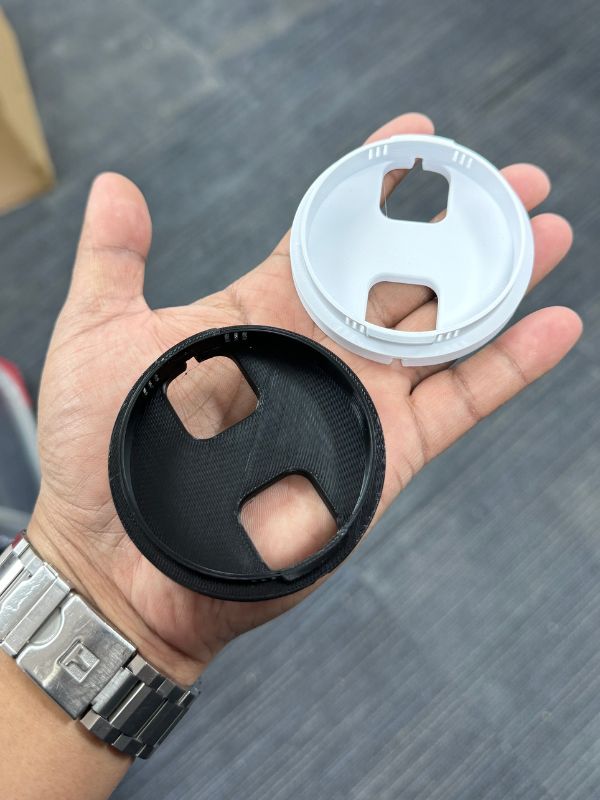
Nylon PA12
Excellent wear resistance for gears, hinges and end-use mechanical components on MJF.
Material guide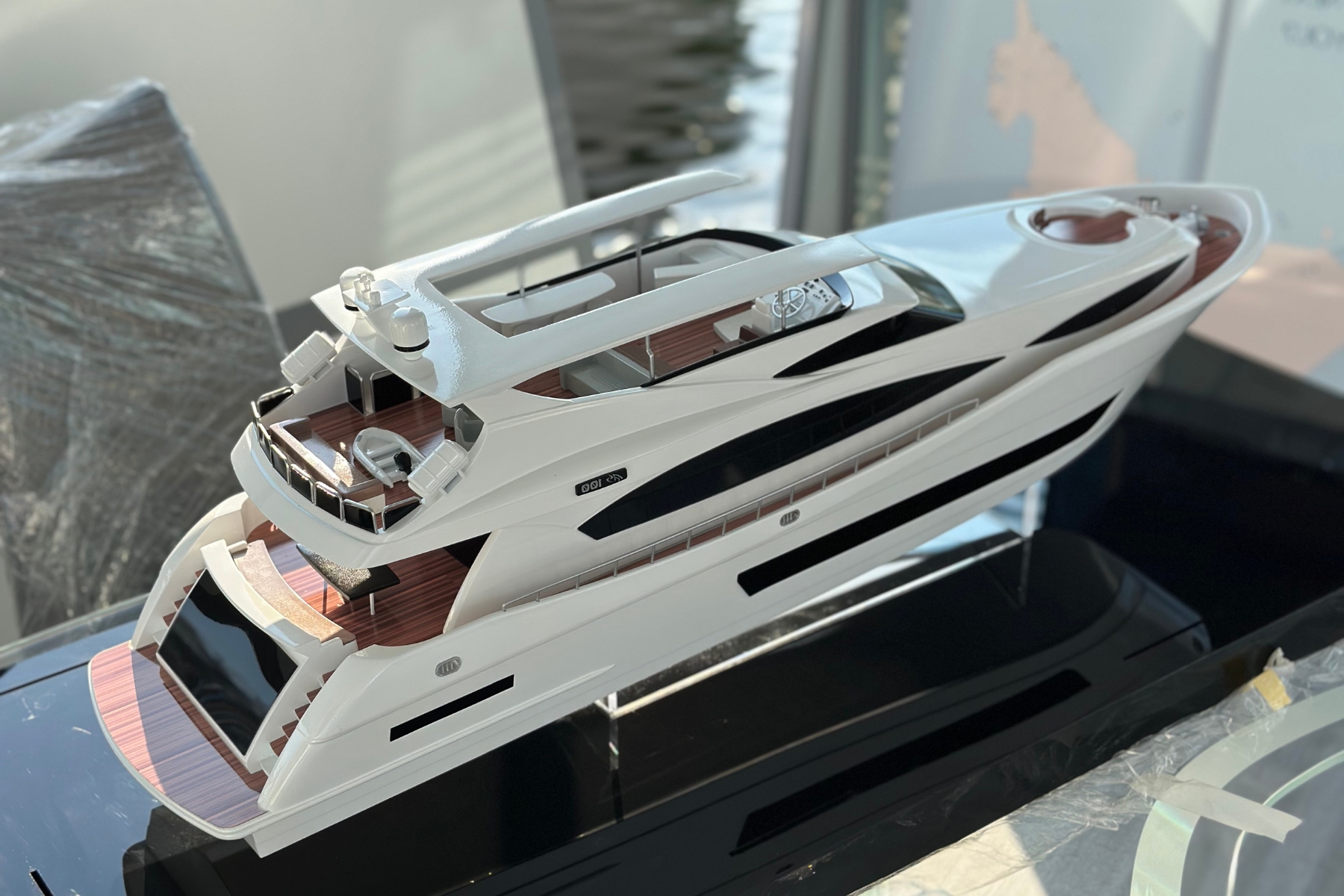
Resins
Standard, tough, flexible, clear and high-temp photopolymers — the fine-detail family.
Material guide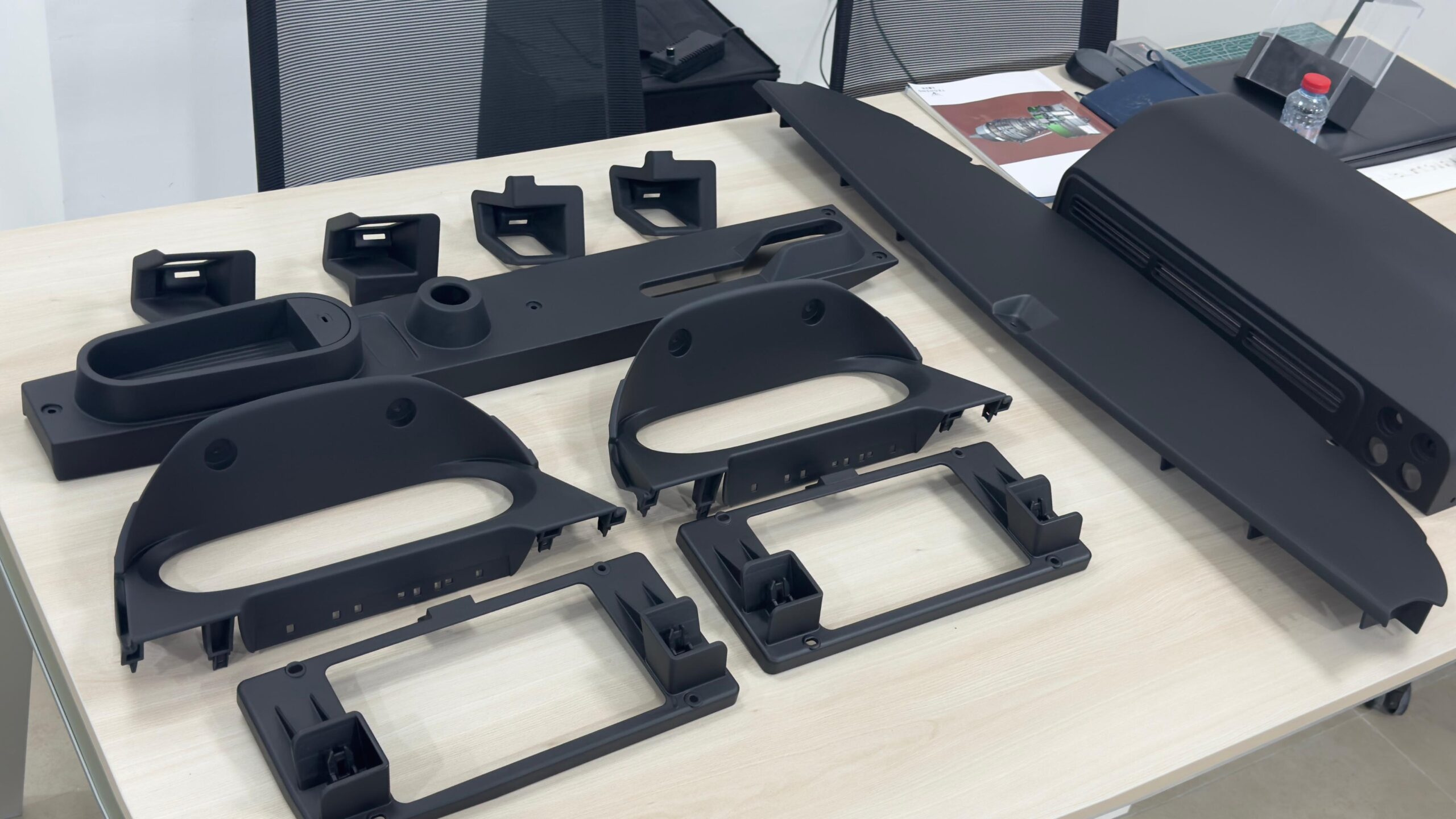
Carbon Fiber
CF-filled composites for stiff, lightweight engineering parts and tooling.
Material guide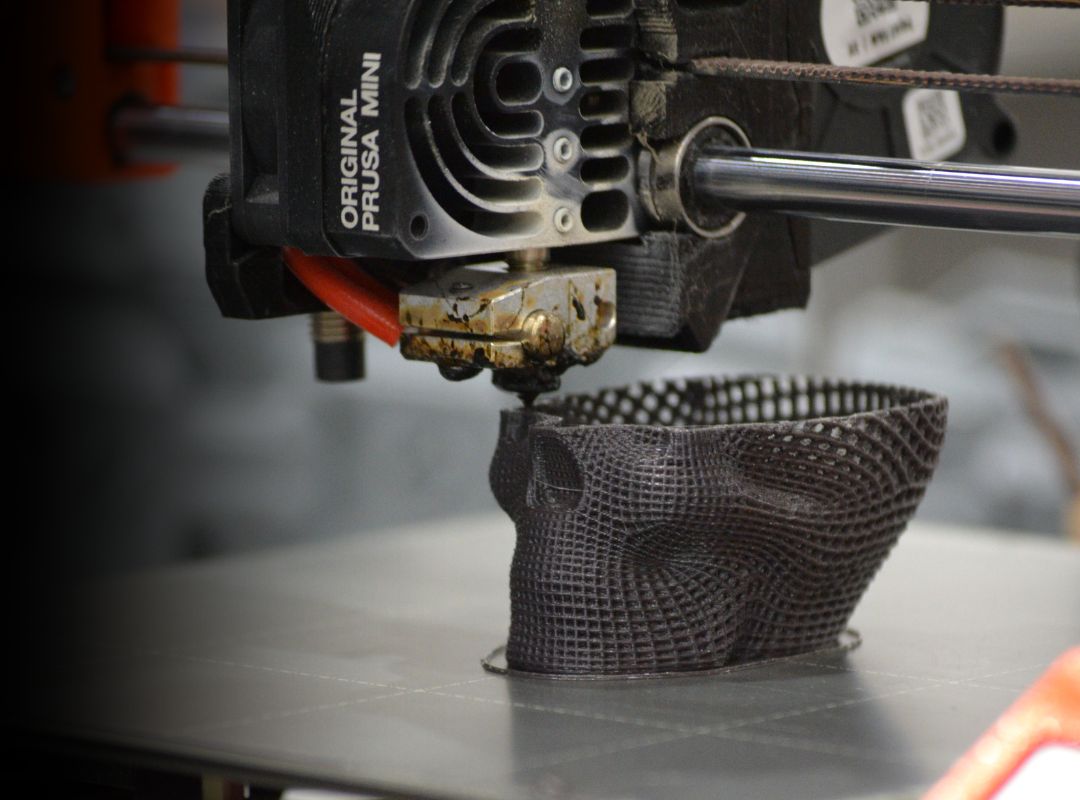
Polycarbonate (PC)
High-impact, high-heat engineering thermoplastic for demanding duty.
Material guide
ASA (Outdoor)
UV- and heat-stable — the material genuinely built for the UAE climate outdoors.
Material guidePick by What the Part Endures
The fastest honest answer: describe the duty, not the material. These rules cover 90% of jobs — and we'll gladly argue the other 10% with you.
| Looks & budget | PLA — glossy, economical, fast |
|---|---|
| Handled & heated | ABS or PETG — tough with heat headroom |
| Mechanical duty | Nylon PA12 — gears, hinges, end-use parts |
| Fine detail & finish | Resins — 0.05 mm layers, near-polished |
| Stiff & light | Carbon fiber — the aluminium conversation |
| UAE outdoors | ASA — UV-stable by design |
| Bends without breaking | TPU — rubber-like elasticity |
Is 3D Printing Material Recyclable?
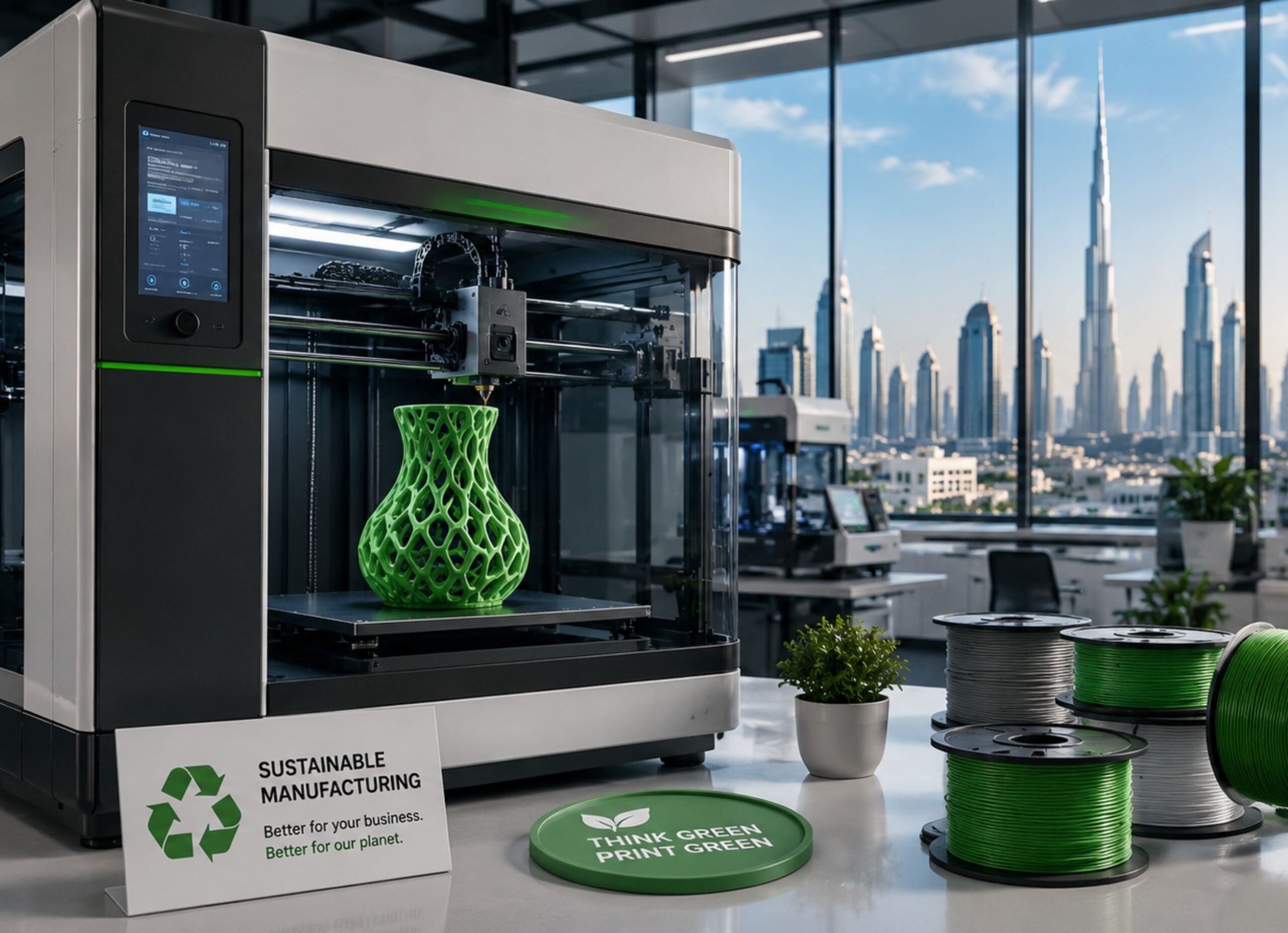
More than you'd think: PLA is plant-derived and industrially compostable, MJF powder recycles into subsequent builds, and additive itself wastes far less than subtractive machining — the part uses only the material it needs. We choose eco-options wherever they genuinely fit the duty.
Tell Us What It Endures.
We'll Name the Material.
Load, heat, sun, chemicals, drops — describe the part's life and get a material match with your same-day quote.