
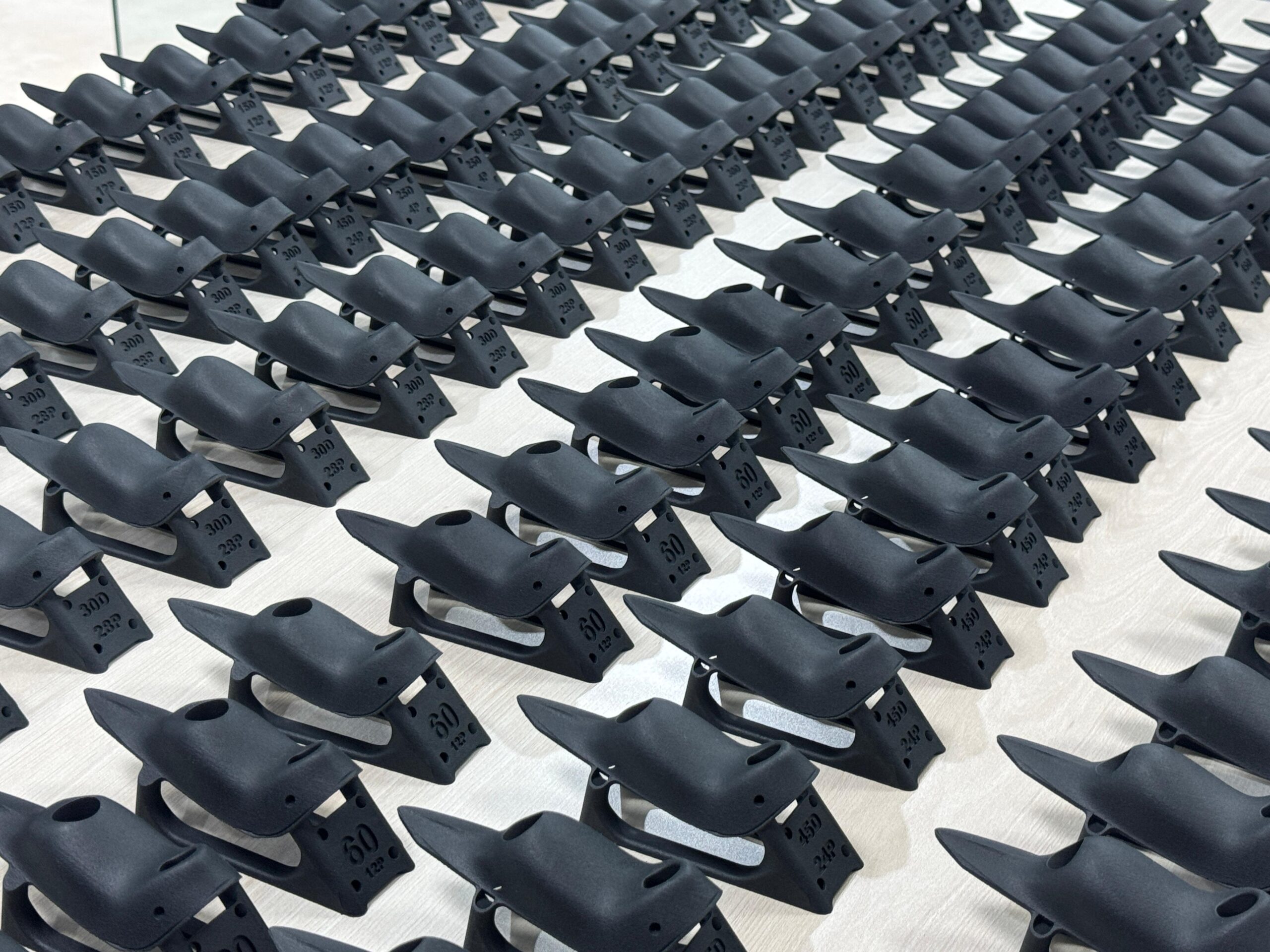
Understanding PLA, ABS, and Nylon for 3D Printing PLA, ABS, and Nylon are three popular choices for 3D printing in Dubai. Each material has unique qualities, making it suitable for specific applications. Understanding these differences can help you pick the right material for everything from prototyping to industrial use.
PLA: Strong, Stiff, and User-Friendly
Strengths:
- High strength and rigidity make PLA ideal for hobbyist applications and decorative models.
- PLA is one of the easiest materials to print due to low melting points and minimal warping.
- Environmentally friendly and biodegradable.
Limitations:
- Poor heat resistance; PLA parts can deform at temperatures over 50°C.
- Brittle and less impact-resistant, making it unsuitable for high-stress applications.
Best Uses:
PLA is perfect for prototyping, decorative items, and low-stress applications where durability is less critical.
ABS: Durable and Heat-Resistant
Strengths:
- ABS has high durability and can endure temperatures and impacts better than PLA.
- With greater flexibility and lower density, ABS is more resistant to impact and wear.
Limitations:
- Requires a heated bed and high-temperature extruder, as ABS is prone to warping.
- Emits fumes during printing, necessitating proper ventilation.
Best Uses:
ABS is commonly used for functional prototypes, low-stress end-use parts, and enclosures where heat resistance and durability are important.
Nylon: Flexible and Chemically Resistant
Strengths:
- Highly flexible, nylon has excellent toughness and impact resistance, making it more durable in high-stress applications.
- Nylon is chemically resistant, which opens doors for industrial applications.
Limitations:
- Low stiffness and strength, making it unsuitable for certain structural parts.
- Absorbs moisture from the air, so it must be stored in a dry environment.
Best Uses:
Nylon is ideal for industrial prototypes, functional parts, and applications requiring chemical resistance.
Comparing PLA vs ABS vs Nylon: Key Properties and Applications
- Strength and Stiffness: PLA > ABS > Nylon
- Heat Resistance: ABS > Nylon > PLA
- Flexibility: Nylon > ABS > PLA
- Ease of Printing: PLA > ABS > Nylon
- Durability in Industrial Applications: Nylon > ABS > PLA
Enhanced Options: Filled Nylons for Industrial Use
Filled nylons, like carbon-fiber reinforced nylon, are engineered for high-strength and durable applications. These mixtures add substantial strength and stiffness to nylon, making them suitable for fixtures, jigs, and end-use parts.
PLA vs ABS vs Nylon: Choosing the Right Filament for Your Needs
Each filament has a unique set of properties, making it ideal for specific applications. For hobbyists and newcomers, PLA’s ease of use makes it a top choice. ABS is better suited for prototyping, while Nylon works best for more advanced and industrial applications.