
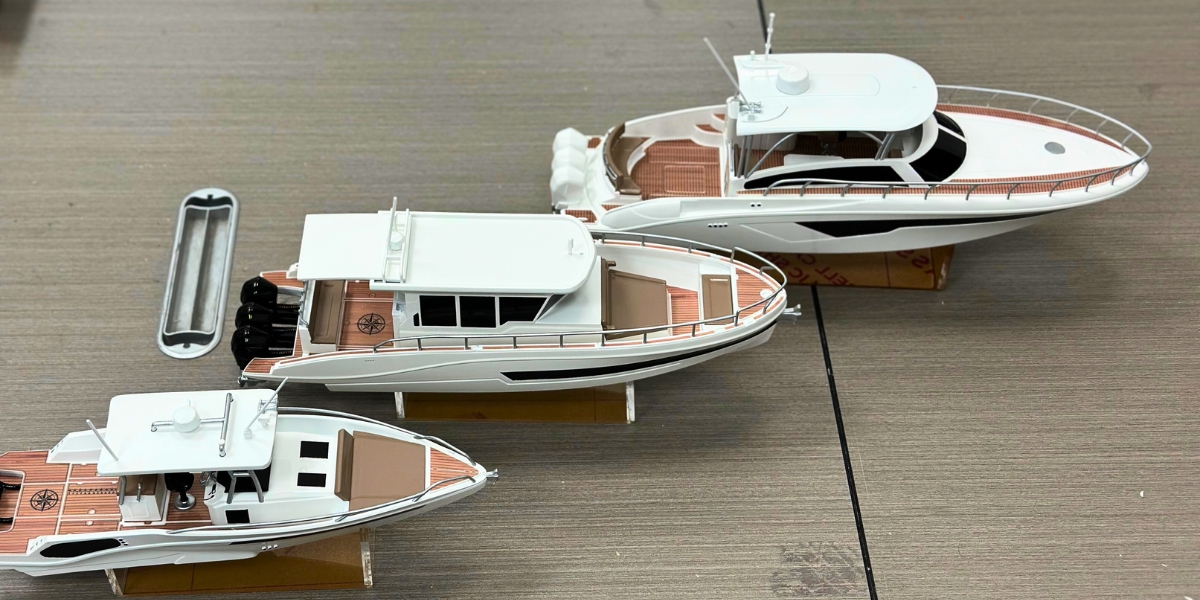
PLA 3D Printing. Renewable, reliable, everywhere.
Polylactic Acid — a thermoplastic derived from renewable resources like corn starch and sugarcane. Biodegradable, easy to print beautifully, and the default choice for prototypes, models and visual parts.
What Makes PLA the Default
PLA prints at lower temperatures with minimal warping, emerges with a smooth, glossy finish that needs little post-processing, and produces non-toxic emissions. That combination makes it the fastest, most economical route from file to physical part.
It's also the sustainable option: plant-based sourcing and biodegradability (via industrial composting) give PLA the smallest footprint of any material we run.
| Type | Thermoplastic (Polylactic Acid), plant-derived |
|---|---|
| Technology | FDM — Bambu Lab farm |
| Heat resistance | Around 60°C — keep out of parked cars in UAE summer |
| Strength | Moderate — ideal for prototypes and visual parts |
| Finish | Smooth and glossy off the printer; paints beautifully |
| Colours | Widest colour range of any material we stock |
| Sustainability | Biodegradable via industrial composting |
Typical values — confirmed against your part's geometry and duty on quote.
Where PLA Wins — and Where It Doesn't
Choose PLA For
- Prototypes and concept models on a budget
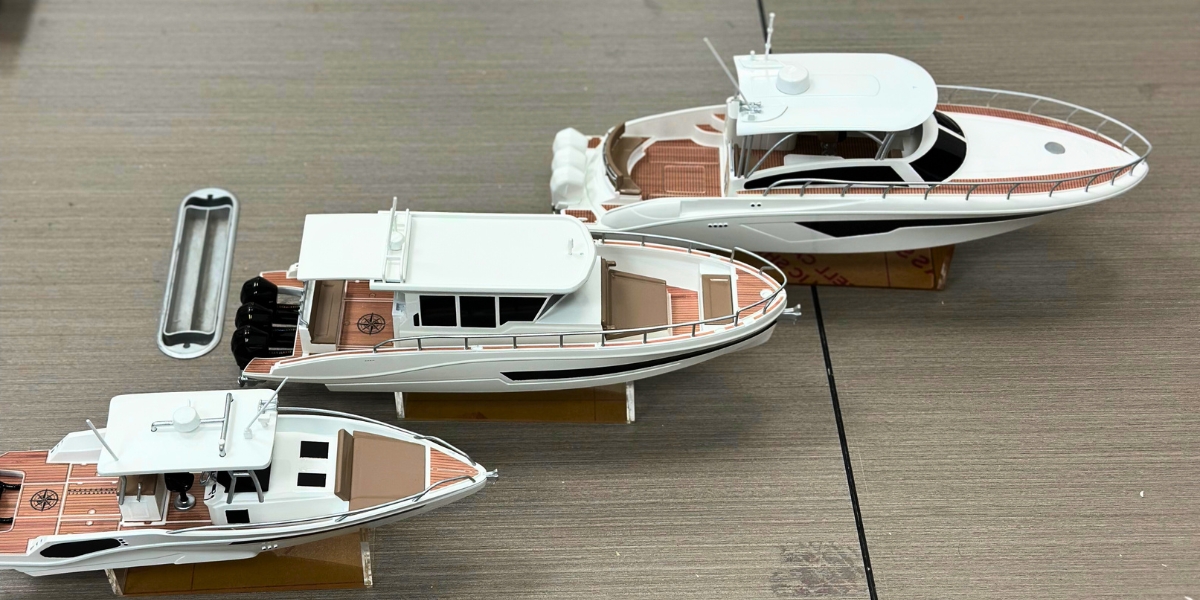
- Display, architectural and teaching models
- Smooth glossy surfaces with minimal finishing
- Eco-conscious projects and sustainable branding
- Fast turnarounds — it's our quickest-printing material
Look Elsewhere When
- The part lives in heat — UAE outdoor use points to ASA
- High mechanical loads — choose Nylon PA12
- Flexibility is needed — that's TPU territory
- Chemical exposure — PETG or nylon resist far better
What We Print in PLA
Architectural Models
Massing studies and display models with clean surfaces.
Concept Prototypes
First physical iterations, printed cheap and fast.
Teaching Aids
Educational and anatomy models for classrooms.
Consumer Goods & Accessories
Custom items and packaging prototypes.
Automotive & Aero Concept Models
Styling and form studies before engineering materials.
Sustainable Products
Eco-positioned pieces with a plant-based story.
Printed On · Compared With · Ordered Through
PLA — Common Questions
Is PLA strong enough for functional parts?
For light-duty functional parts, yes — but for load-bearing, high-wear or hot environments we'll steer you to nylon, ABS or carbon-filled grades. Prototype in PLA, produce in the engineering material.
How eco-friendly is PLA really?
Genuinely plant-derived (corn starch, sugarcane) and biodegradable via industrial composting — though not in a home bin. It remains the lowest-impact material we run.
Will PLA survive the UAE summer outdoors?
No — around 60°C it softens, and car interiors exceed that. For outdoor UAE use choose ASA; PLA belongs indoors.
How much does PLA printing cost?
PLA is our most economical material — per-part pricing depends on size, settings and finish. See the cost guide, use the calculator, or request a quote for exact pricing.
What colours are available?
The widest range of any material — plus paint-ready surfaces when you need an exact brand colour via post-processing.
Guides on PLA
Order Your Parts in
PLA Today.
Upload your file and select PLA — same-day quote with honest advice if another material fits better.