Low-Volume Production in Dubai. Exactly the quantity you need. No tooling tax.
High-quality small-batch manufacturing tailored to your exact needs — flexible batch sizes for any project, stringent per-batch quality control, and repeat orders that match the first run part for part.
What is low-volume production?
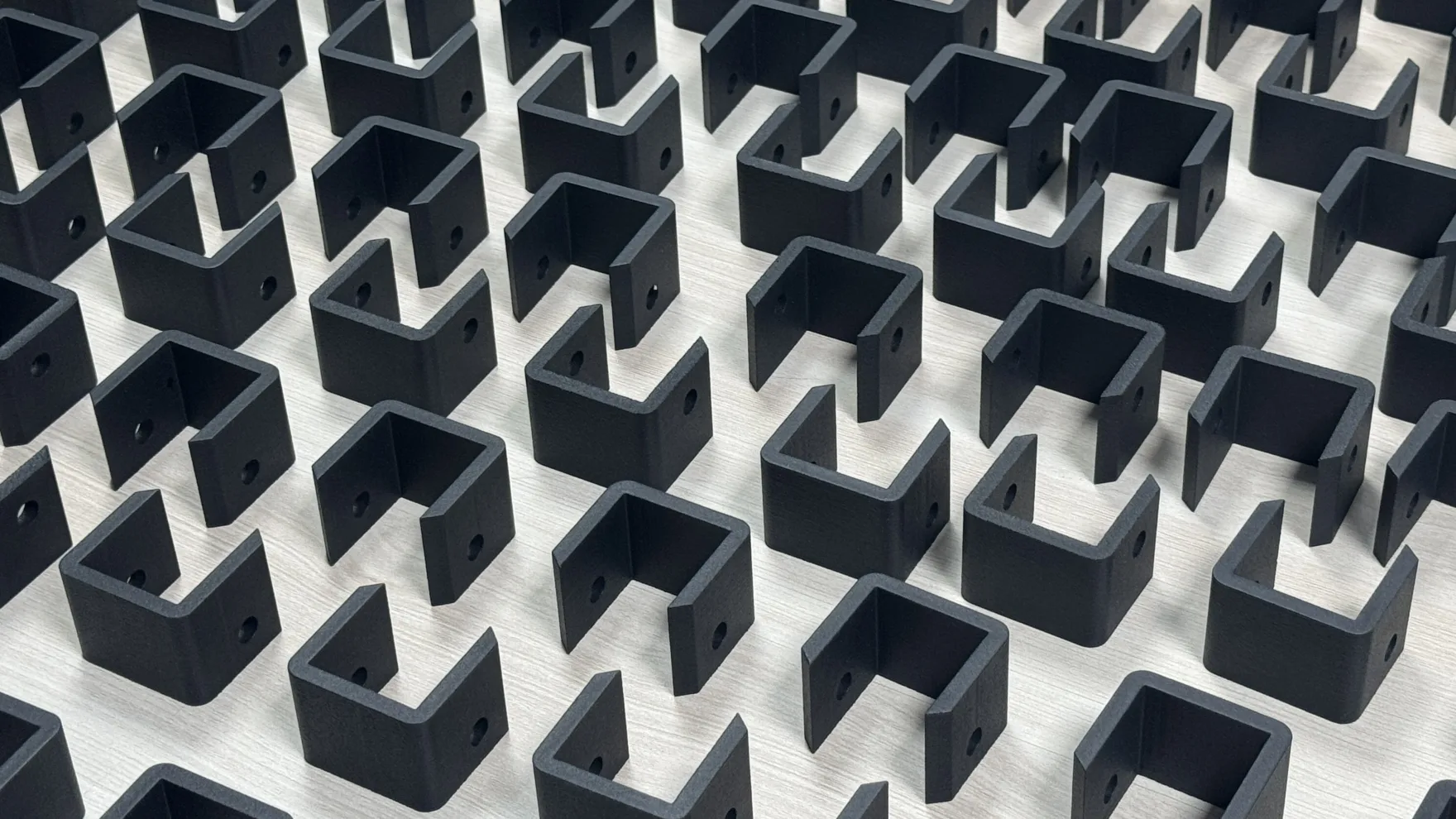
Low-volume production at Orbit3D delivers 10 to ~1,000 identical parts without tooling — MJF nylon batches with near-isotropic strength and flexible batch sizes. Above ~1,000 units we'll honestly tell you injection moulding wins.
Too Many for a Prototype. Too Few for a Mold.
Between the one-off prototype and the 10,000-unit injection run sits the awkward zone traditional manufacturing punishes: real quantities, but not enough to amortise tooling. Low-volume additive production removes the penalty — you pay per part, from the first unit.
Orbit3D combines advanced manufacturing technology with customised solutions: prototyping and rapid development, short-run manufacturing, custom parts to specification and end-use products in small volumes — every batch through rigorous quality-control inspections before dispatch.
- Pay per part. No molds, no setup penalties — batch sizes stay flexible.
- Repeatable. Files stay on record — reorders match the first batch exactly.
- Stringent QC. Every product inspected to meet the highest standards.
Small-Batch Manufacturing, End to End
From pilot runs to steady repeat production — matched to the right technology every time.
Short-Run Manufacturing
Limited quantities produced in parallel across the FDM farm and HP Jet Fusion.
End-Use Products
Market-ready parts in production-grade nylon and engineering polymers.
Bridge Production
Serve customers now while your injection tooling is still being made.
Custom Parts to Spec
Components tailored to your specifications — dimension-checked against your drawing.
Repeat Orders
Approved files on record; a reorder is one message away, identical every batch.
Pilot & Market Testing
Launch small, learn fast, scale only when the market says yes.
Production Run Specifications
The numbers that decide whether low-volume additive beats tooling for your part.
| Batch sizes | Flexible — tailored to your project, up to 1,000s per run |
|---|---|
| Technologies | FDM farm (100+ printers, parallel) · HP Multi Jet Fusion · SLA |
| Materials | Nylon PA12, PETG, ABS, ASA, TPU, engineering resins, carbon-filled grades |
| Consistency | Same file, same settings, same QC — across batches and reorders |
| Quality control | Rigorous inspection per batch; dimensional reports on request |
| Lead time | Days for pilot runs; scheduled production for repeat batches |
Above ~1,000 identical units, injection moulding usually wins — and we'll tell you so, honestly.
Who Runs Small Batches With Us
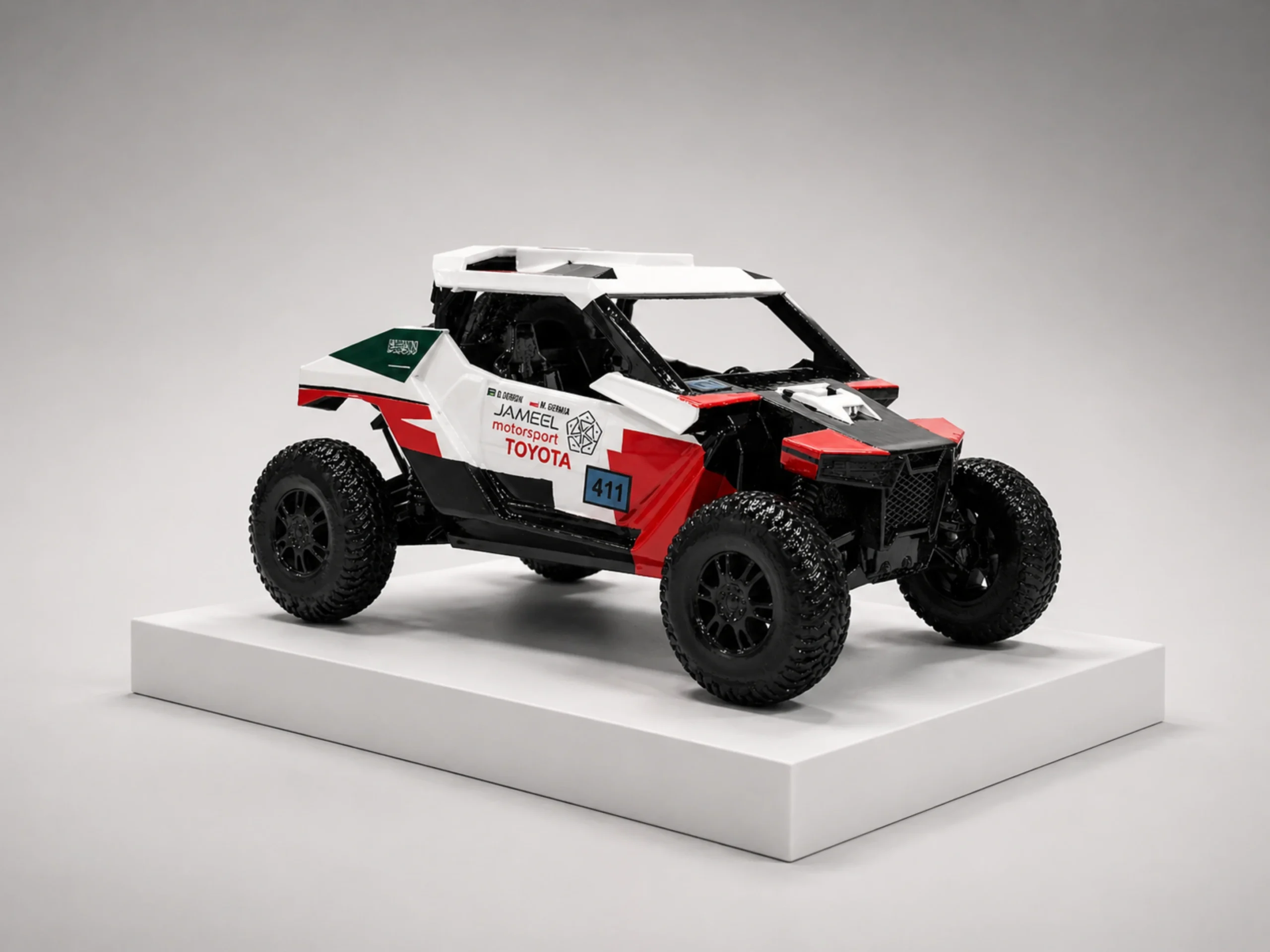
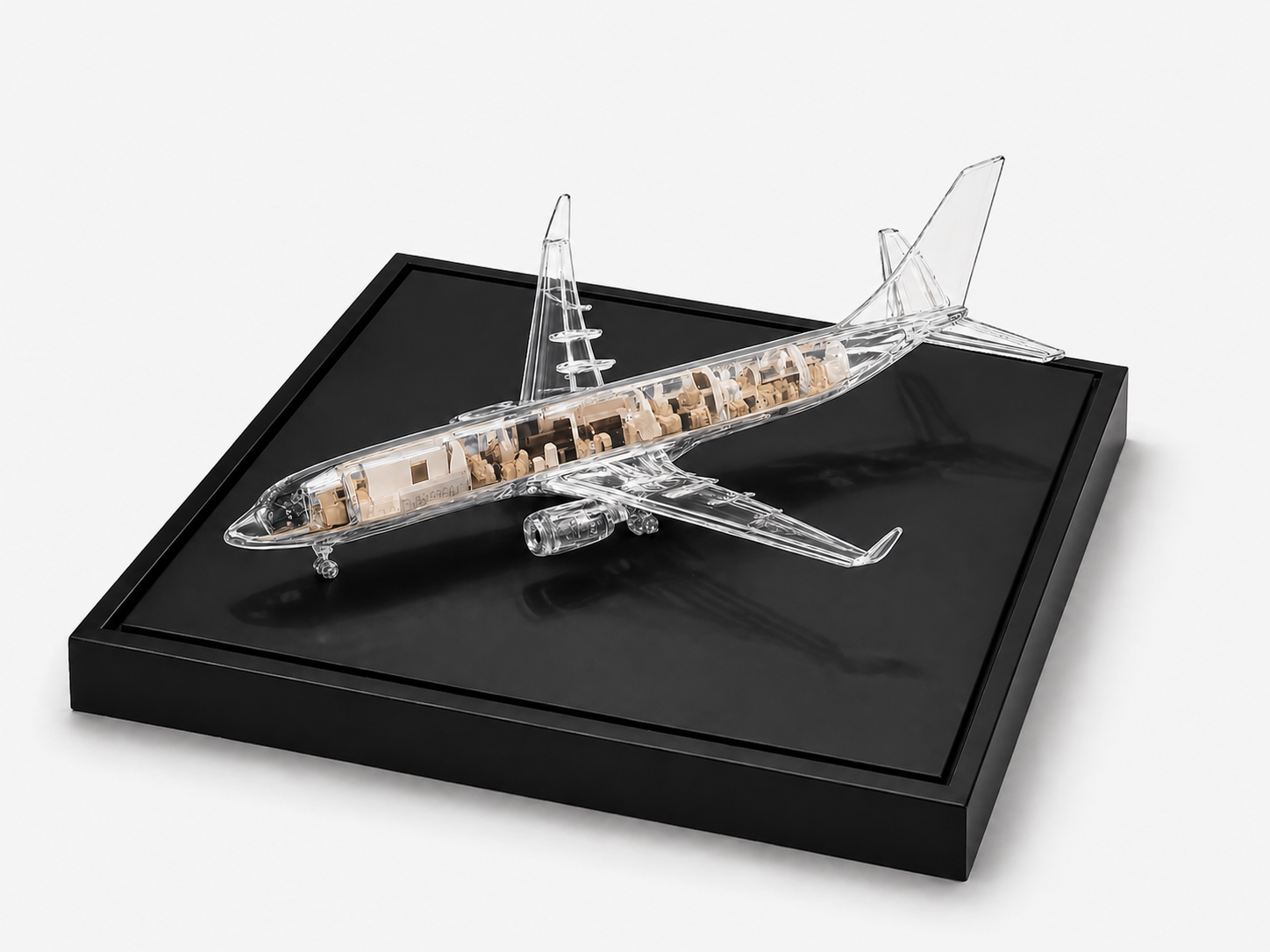
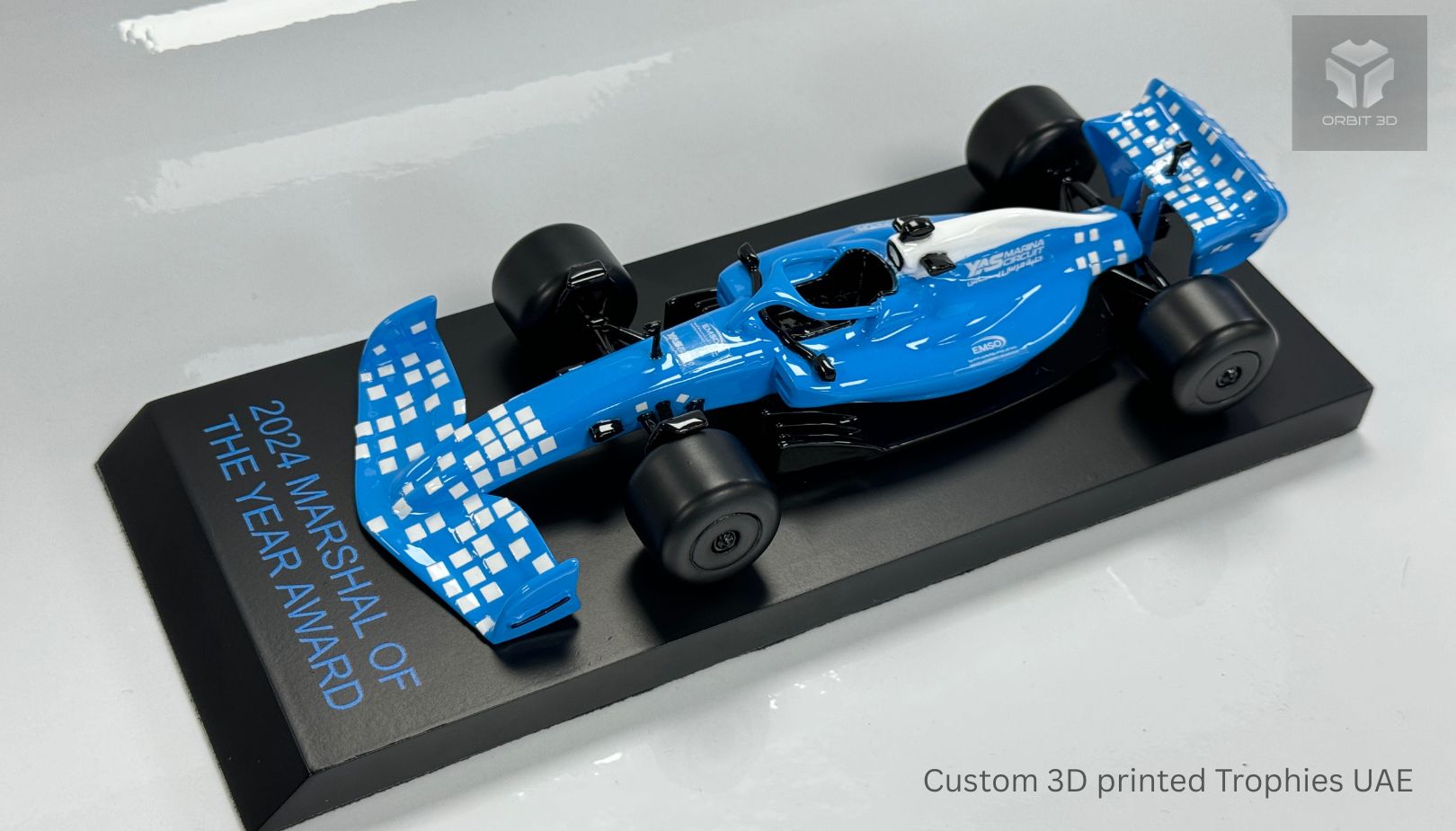
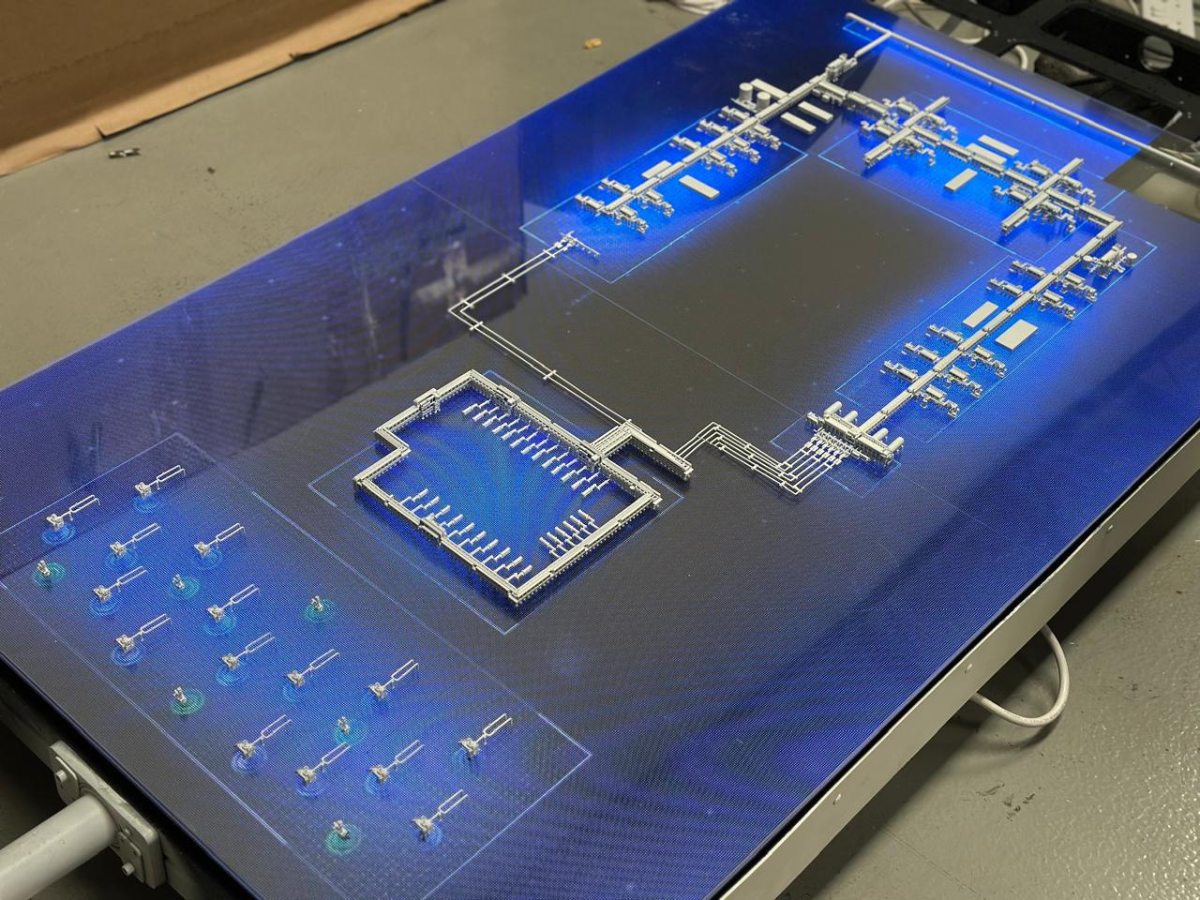
Real production programmes across the Emirates.

Production Technologies & Materials
From Drawing to Delivered Batch
Consultation
Quantities, material, finish and deadline — understood before anything is quoted.
Design & Planning
Production planning across the farm: nesting, scheduling and per-part pricing.
Manufacture
Parallel production with in-process monitoring on advanced equipment.
Inspect & Deliver
Rigorous quality-control inspection, then prompt delivery across the UAE.
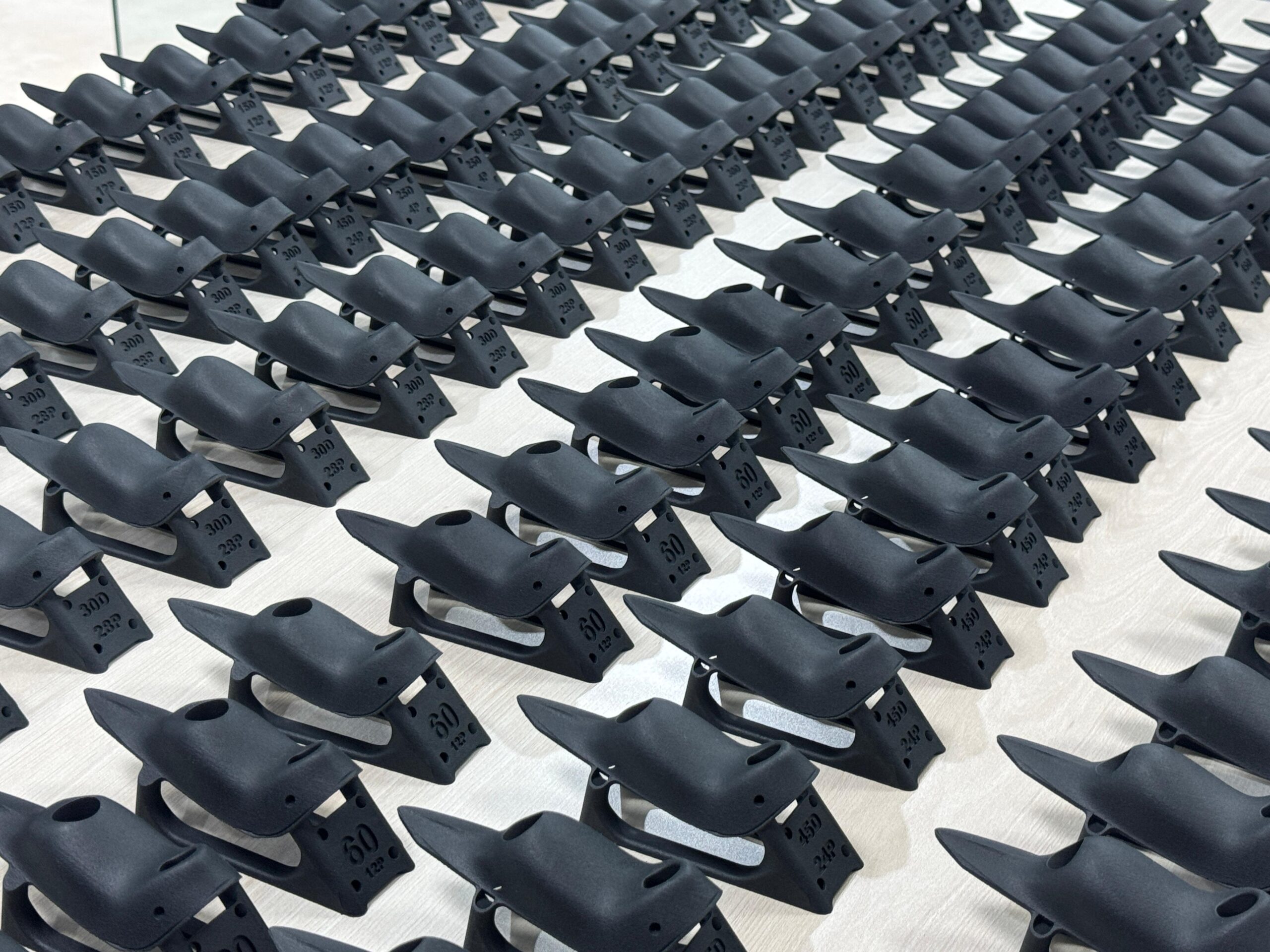
Hundreds of Identical Parts, Zero Tooling
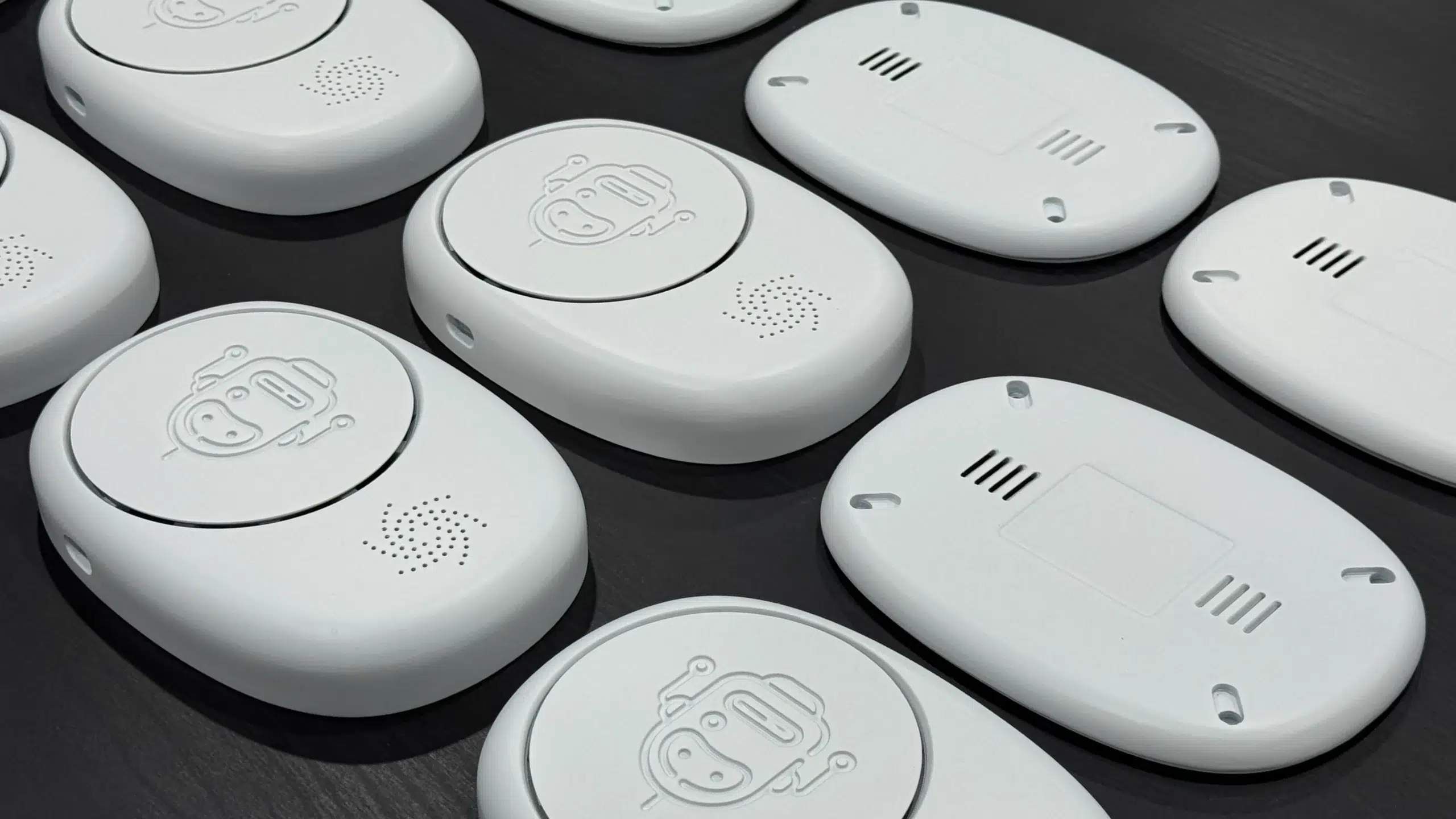
A functional-parts programme on the HP Jet Fusion 4200: hundreds of labelled nylon PA12 components per batch, each dimension-checked, delivered on schedule — and reordered from file whenever the client's stock runs low.
"Every part in the batch measured within spec — batch after batch."
Low-Volume Production — Common Questions
What batch sizes do you produce?
Flexible batch sizes for any project — because there's no tooling, quantity is a pricing variable, not a barrier. Larger batches of identical parts unlock meaningful per-part discounts; request a quote for exact pricing at your volumes.
How does low-volume 3D printing compare with injection moulding on cost?
Below roughly 1,000 units, additive usually wins because you skip tooling entirely. Above that, moulding takes over — and we'll tell you honestly where your part sits.
Will every batch be identical?
Yes — approved files, materials and settings stay on record, and every batch passes the same quality-control inspection. Reorders match the first run part for part.
Which materials are best for end-use production parts?
Nylon PA12 on MJF for strong functional parts; PETG, ABS and ASA on the FDM farm for housings and fixtures; engineering resins where fine detail matters. See the materials guide.
Can you handle urgent production runs?
Yes — 100+ printers running in parallel means pilot batches often ship within days, and fast-track scheduling is available for deadline-critical runs.
Related Services

Get a Per-Part Price
At Your Exact Quantity.
Send your file and target quantity — we'll quote the batch, the reorder price, and tell you honestly if moulding would beat us.