
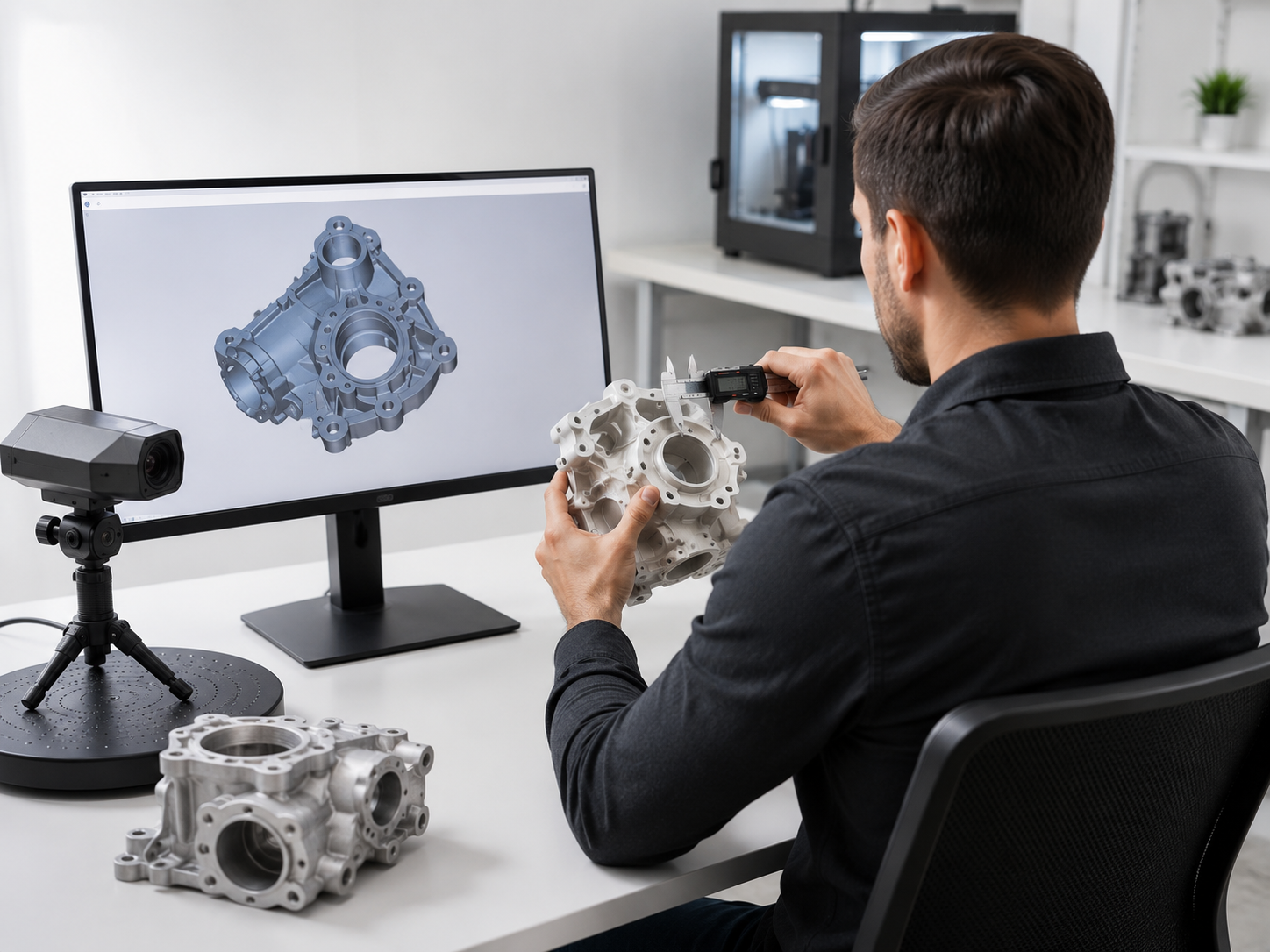
Reverse Engineering in Dubai. From worn part to working file.
We digitally replicate, analyse and enhance existing products — 3D scanning physical parts, rebuilding them as precise CAD, and reproducing exact copies or improved versions in engineering polymers.
What is reverse engineering?
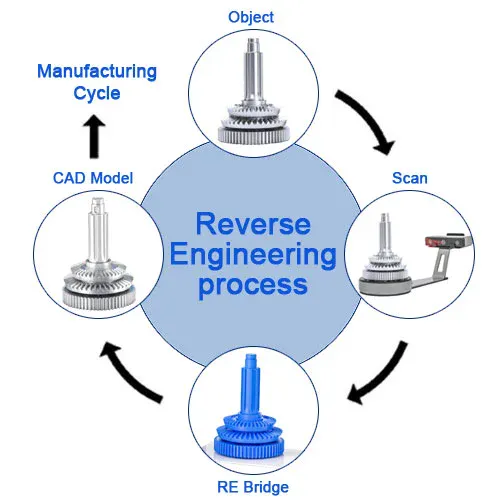
Reverse engineering at Orbit3D recreates parts with no drawings: we 3D-scan the original, rebuild it as clean editable CAD, correct wear or flaws, and print a replacement — obsolete spares back in service in days.
When the Part Exists but the File Doesn't
Legacy equipment with discontinued spares. Competitor benchmarks to understand. Products that need improving but were never documented. Reverse engineering recreates the missing digital truth — high-resolution 3D scanners capture the physical object, and our engineers rebuild it as precise, editable CAD.
From there you choose: an exact replica printed in a suitable engineering polymer, an improved version with the weak points fixed, or just the clean STEP file for your own manufacturing. Every step happens in-house at Dubai Investments Park.
- High-resolution capture of even worn, damaged or intricate components.
- True CAD rebuild — editable, parametric models, not just meshes.
- Improve, don't just copy. Structural analysis finds what the original got wrong.
Replicate, Analyse, Enhance
The live-page promise, delivered in six concrete services.
3D Scanning
High-resolution scanners capture highly detailed physical objects — at our facility or on-site.
CAD Model Creation
Scan data converted into precise, editable CAD for reproducibility and structural analysis.
Product Analysis
Structural and functional characteristics examined to identify improvement opportunities.
Part Replication
Exact digital replicas of components, ready for manufacturing.
Obsolete Part Revival
Discontinued components recreated and reproduced to keep legacy equipment running.
Heritage Conservation
Accurate digital copies of historical artifacts for preservation and study.
Reverse Engineering Specifications
Scope, outputs and honest limits — before the first scan.
| Object range | Small intricate parts to large structures — on-site scanning for immovable objects |
|---|---|
| Inputs | The physical part itself, a worn sample, or partial drawings |
| Outputs | Editable STEP / IGES CAD · STL meshes · 2D drawings on request |
| Reproduction | Printed in-house in engineering polymers — or your file, your factory |
| Analysis | Structural and functional review with improvement recommendations |
| Confidentiality | NDAs standard — proprietary and legacy equipment handled routinely |
Timeline varies with complexity — a simple bracket rebuilds in days; complex assemblies take longer. Confirmed on quote.
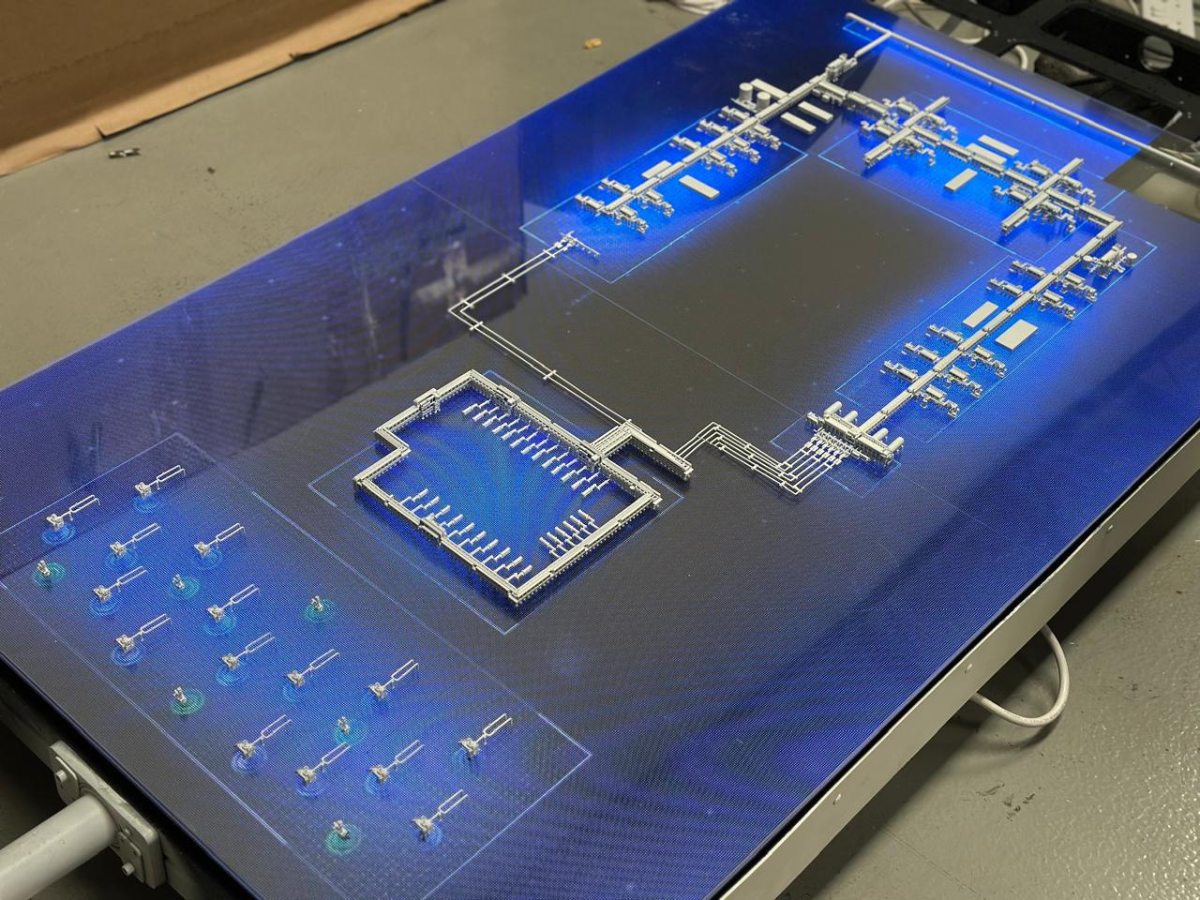
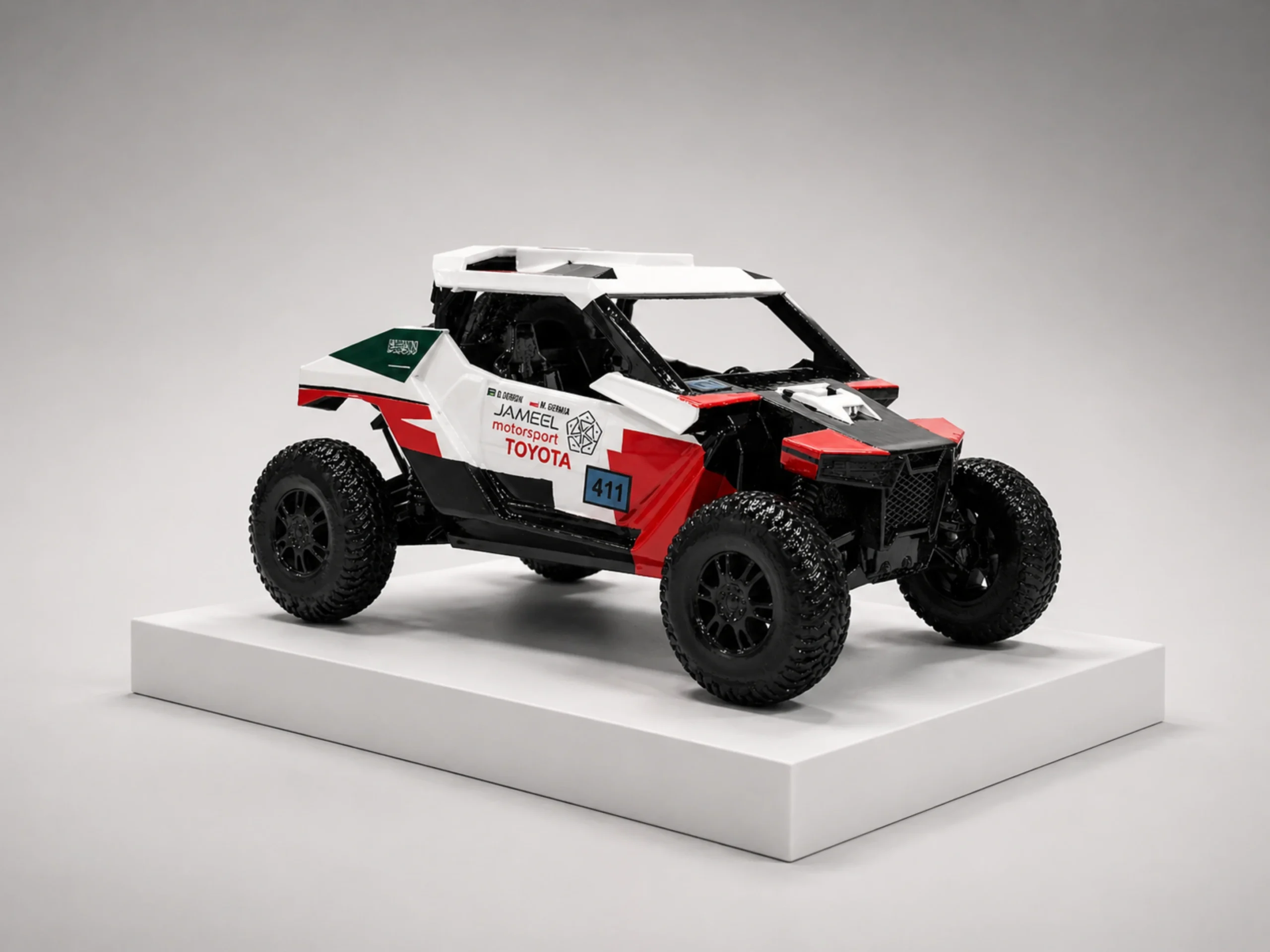
Where Reverse Engineering Pays Off
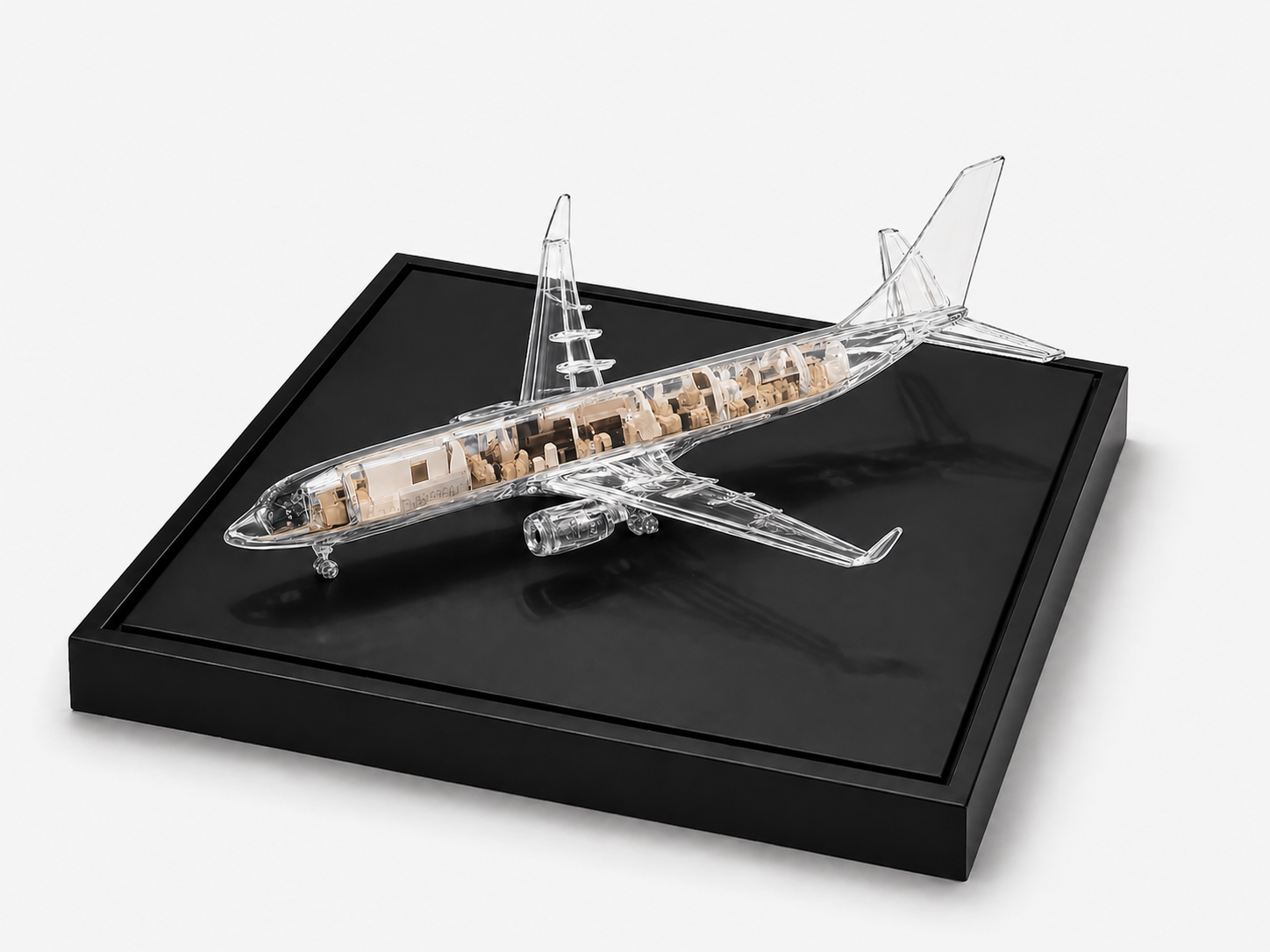
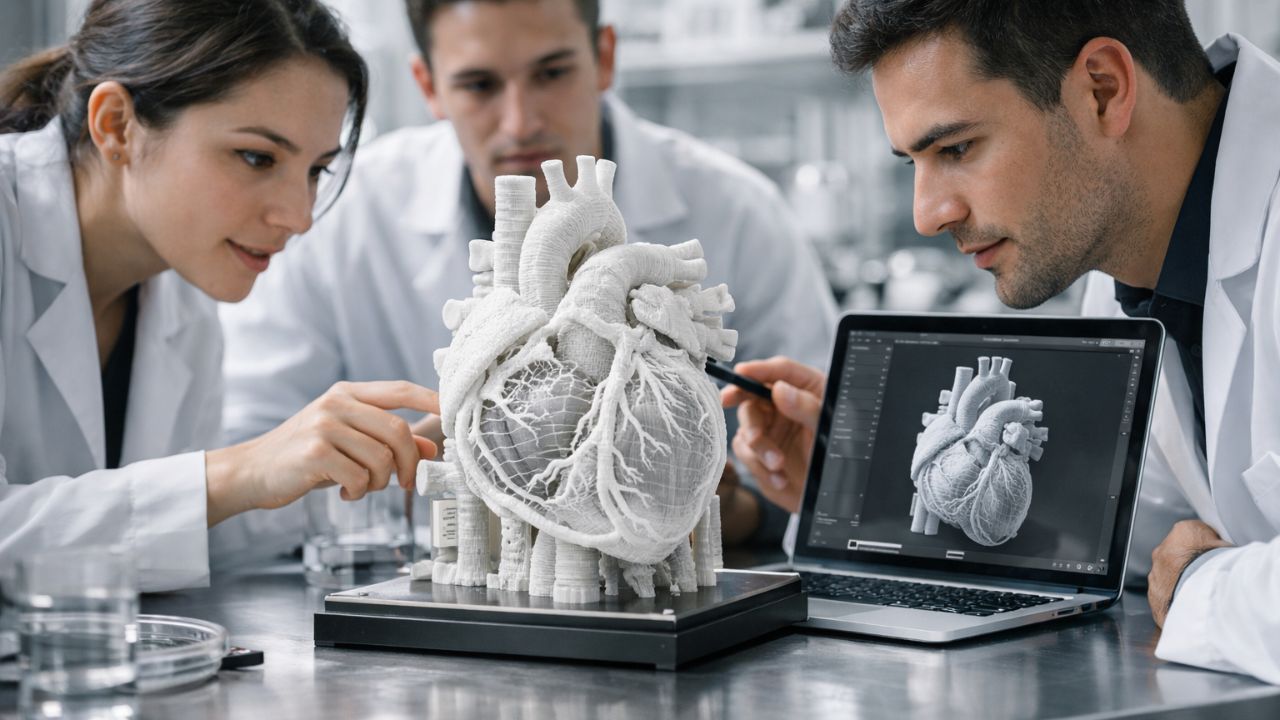
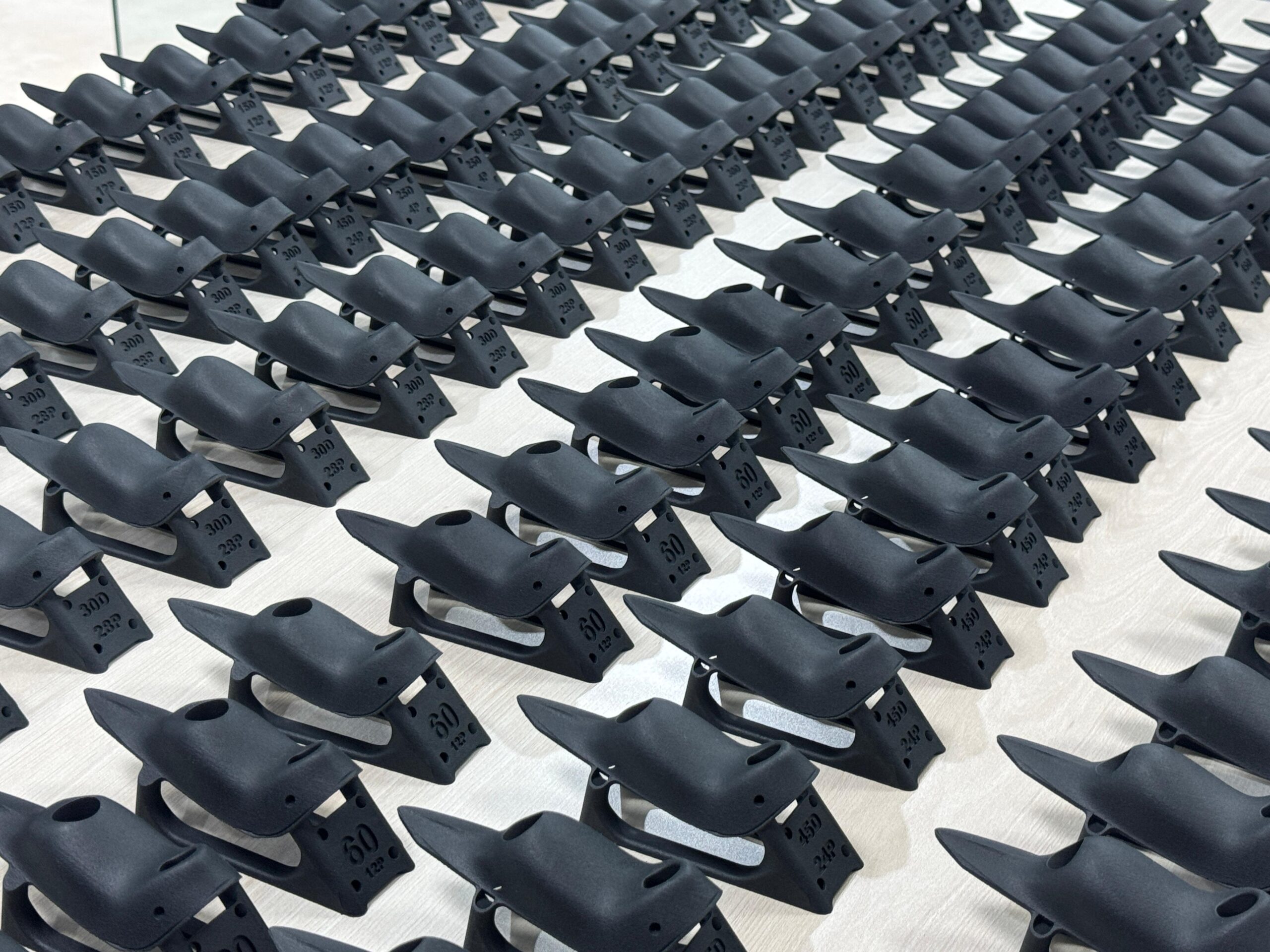
Exact copies and improved versions of the parts industries depend on.

The Scan-to-Part Pipeline
Five Steps From Object to Answer
Consultation
In-depth collaboration to understand the part, its job and your goal — copy or improve.
Scan & Process
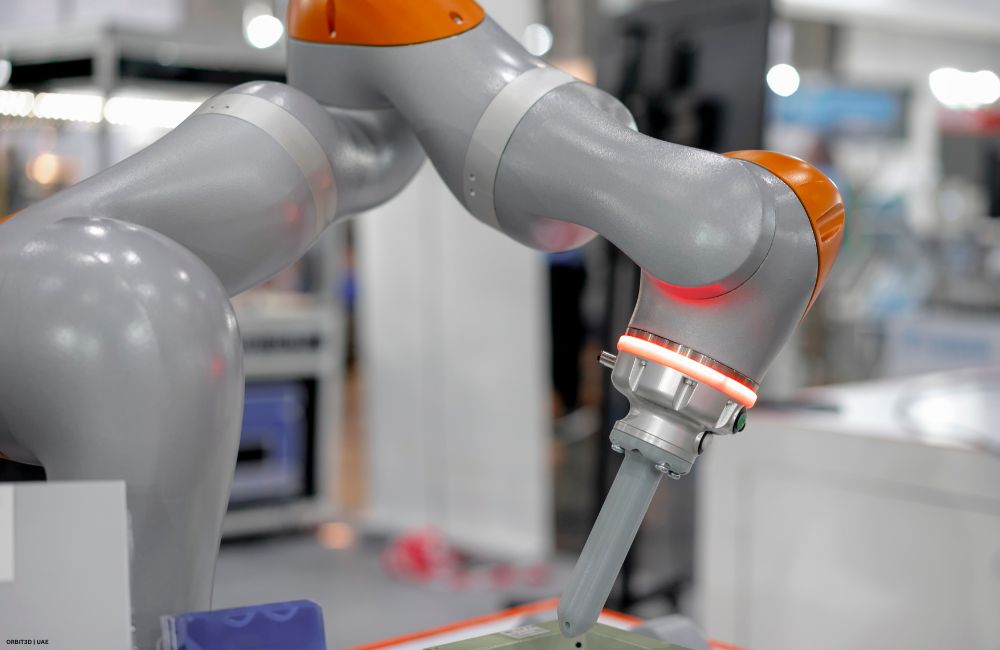
Laser and structured-light capture, then data conversion into usable CAD formats.
Analyse
The digital model evaluated for replication accuracy or modification opportunities.
Deliver — or Print
Finalised digital models ready to use — or reproduced in-house in engineering polymers.
The Discontinued Part That Keeps a Line Running
A worn polymer component from legacy equipment, out of production for years and quoted months for import. Scanned, rebuilt as CAD with the wear geometry corrected, and reproduced in glass-filled nylon — delivered before the next maintenance window.
"Send us a sample, a drawing or even a worn part — we'll scan, rebuild and reproduce it."
Reverse Engineering — Common Questions
What kinds of objects can you reverse engineer?
A wide range — from small, intricate parts to large structures. For big or immovable objects, on-site scanning brings the process to you.
Can the results be used for manufacturing?
Yes — reverse-engineered data produces accurate, editable models suitable for reproduction, whether we print them in-house or you manufacture elsewhere.
Can you improve a part, not just copy it?
Absolutely. Product analysis identifies structural and functional weak points, and our engineers correct them in the rebuilt CAD — thicker ribs, better materials, smarter geometry.
How long does reverse engineering take?
Duration varies by complexity: a simple component rebuilds in days, complex assemblies take longer. Efficient processes keep delivery timely — confirmed before you commit.
Is this legal — and is my data safe?
We reverse-engineer for legitimate purposes: your own legacy parts, documented products and authorised work. NDAs are standard, and files are stored with restricted access.
Related Services
Ship Us the Part.
We'll Send Back the Future.
A worn sample is enough — we scan it, rebuild it, and quote the reproduction before your maintenance window closes.