
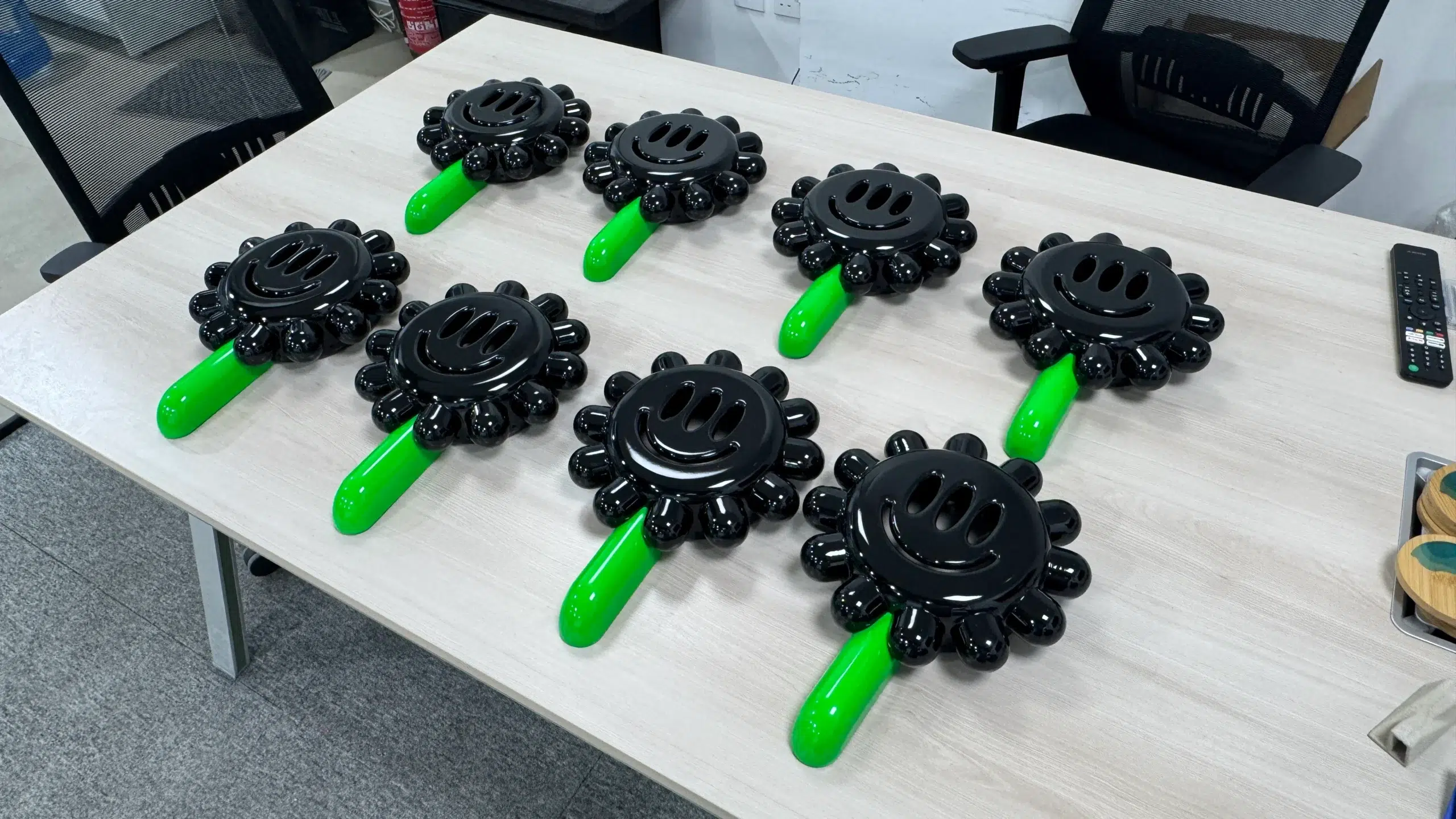
PETG 3D Printing. The best of PLA and ABS, combined.
Polyethylene Terephthalate Glycol — the material the live guide calls the PLA-ABS hybrid: strong like ABS, printable like PLA, with chemical resistance and slight flexibility neither parent offers.
Why PETG Became the Default Engineering Filament
PETG combines the best features of PLA and ABS: it prints reliably with minimal warping (PLA's virtue) while delivering strength, temperature tolerance and chemical resistance approaching ABS — plus a slight flexibility that makes parts tough rather than brittle.
That balance makes it our recommendation for the broad middle of functional work: brackets that live indoors, enclosures that get handled, mechanical parts needing moderate flexibility, and anything touching moisture.
| Type | Thermoplastic (Polyethylene Terephthalate Glycol) |
|---|---|
| Technology | FDM — Bambu Lab farm |
| Strength | Strong with slight flex — tough, not brittle |
| Warping | Minimal, even on larger flat parts |
| Chemical resistance | Good — moisture, oils and mild chemicals |
| Finish | Slightly glossy; layer lines subtler than PLA |
PETG strings more than PLA in printing — our farm profiles are tuned for it, so your parts arrive clean.
Where PETG Wins — and Where It Doesn't
Choose PETG For
- Mechanical parts needing moderate flexibility
- Large flat parts where ABS would warp
- Moisture-exposed housings and containers
- Functional prototypes headed for handling
- The all-rounder when you can't decide
Look Elsewhere When
- Maximum stiffness matters — carbon-filled grades win
- Painting is the plan — ABS takes finish better
- UAE sun exposure — ASA is the outdoor answer
- Production batches — PA12 on MJF outclasses it
What We Print in PETG
Mechanical Parts
Brackets, mounts and mechanisms with forgiving toughness.
Enclosures & Housings
Handled, opened, dropped — and still working.
Moisture-Exposed Parts
Containers, funnels and fittings that meet liquids.
Workshop Fixtures
Jigs that flex slightly instead of snapping.
Functional Prototypes
Test articles that behave like tough production parts.
Travel-Safe Display Parts
Retail props that survive repeated transport.
Printed On · Compared With · Ordered Through
PETG — Common Questions
PETG or PLA — which should I pick?
PLA for looks, speed and lowest cost; PETG when the part gets handled, warmed or wet. The price difference is small; the toughness difference isn't.
PETG or ABS?
PETG prints more reliably (minimal warping) and resists chemicals better; ABS wins on paintability and slightly higher heat. For most functional indoor parts, PETG is our first suggestion.
Is PETG food-safe?
The base polymer is used in food packaging, but 3D printed layers harbour bacteria and our filaments aren't certified food-contact — we'll say so honestly rather than imply otherwise.
Can PETG live outdoors in the UAE?
Better than PLA, worse than ASA — UV slowly degrades it. For sun-exposed parts specify ASA; coated PETG suits shaded outdoor duty.
What does PETG cost?
Marginally above PLA in the AED 73–184/kg filament class — per-part pricing via the cost guide or an exact quote on upload.
Order Your Parts in
PETG Today.
Upload your file and select PETG — same-day quote with honest advice if another material fits better.